Before Hollywood, moviemakers took the 125th Street ferry across the Hudson. They were headed to Fort Lee, and for about twenty years this Bergen County borough was the movie capital of America.
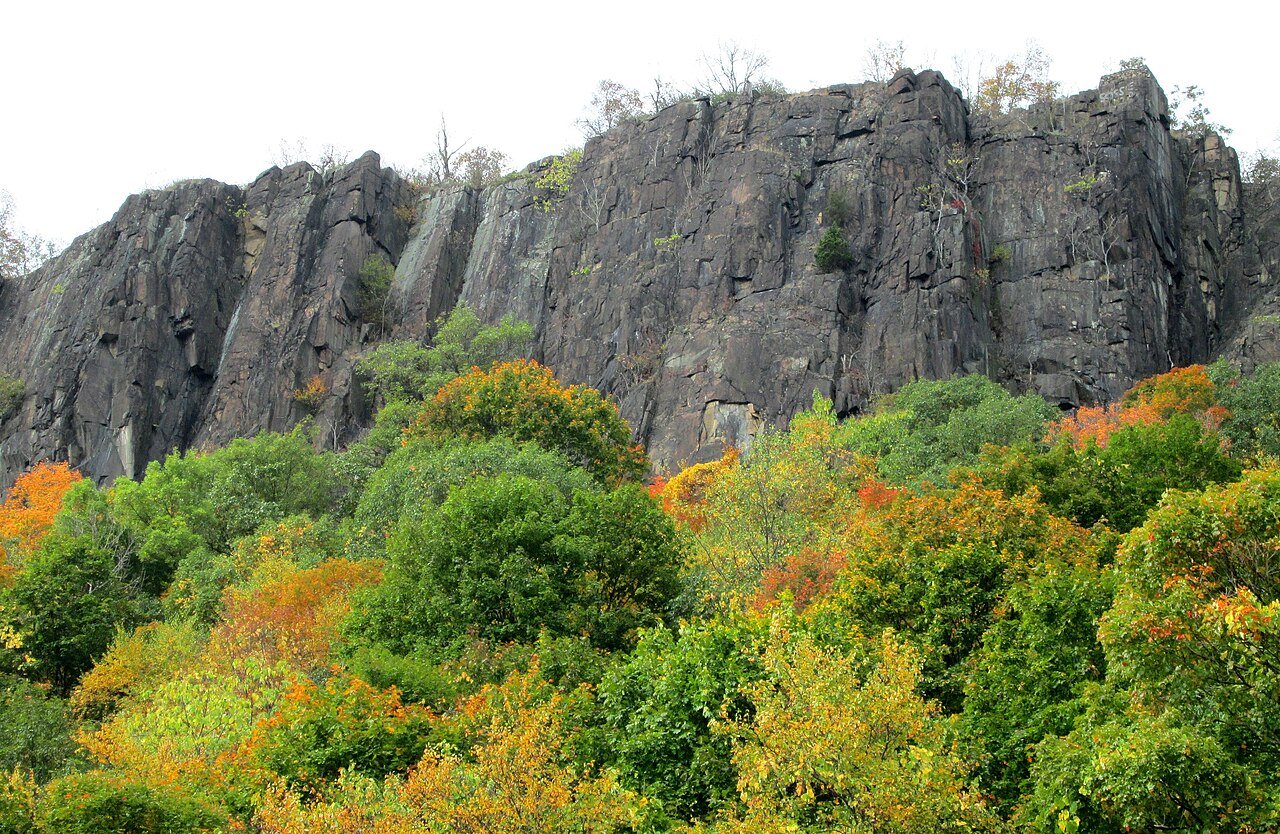
It started in 1907, when the Kalem Company brought its cameras over and Edison's crew came out to shoot Rescued from an Eagle's Nest on the Palisades. The star of that one, in his first acting role, was a young D.W. Griffith, who would become one of the most famous directors of the silent era. The appeal was obvious once you stood on the cliffs. New York City had a problem: it all looked like New York City, and a Western shot in Central Park wasn't going to fool anyone. Fort Lee had dramatic cliffs, big estates and an ordinary-looking Main Street, and its land cost a fraction of Manhattan's.
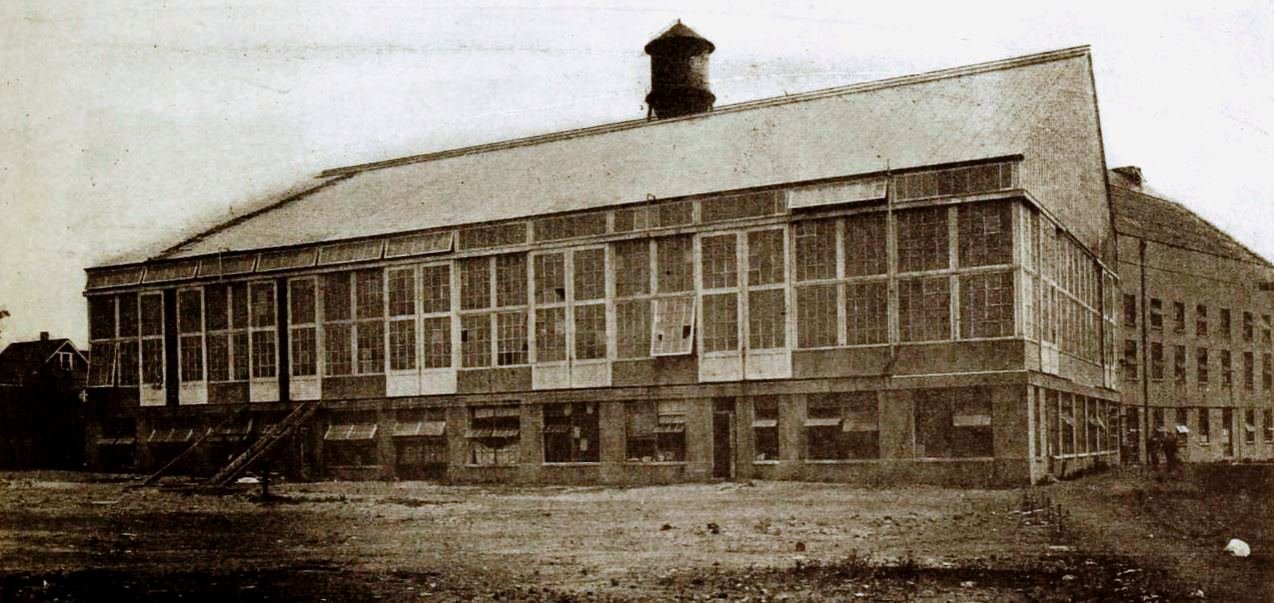
The studios followed. In 1909 the Champion Film Company, which later helped form Universal, built the first one in town, and more than a dozen companies came after it: Fox, Goldwyn, Biograph, Pathé, Metro, Selznick. Both Fox and Universal trace their roots here. Mary Pickford got her start with Biograph. Theda Bara made films in Fort Lee, and so did Lillian and Dorothy Gish and the director Oscar Micheaux. Even the Marx Brothers shot their first film, Humor Risk, in town.
The Barrymores of Coytesville
One famous acting family got there before the cameras did.
Maurice Barrymore lived in Coytesville, a corner of Fort Lee, from 1890 until his death in 1905. He threw himself into local life as a volunteer firefighter and helped pay for the firehouse and its uniforms. In 1900 his son John made his first stage appearance in a play to raise money for that same firehouse. John went on to become one of the great actors of his age, and his brother Lionel and sister Ethel later worked in the Fort Lee studios.
Where "cliffhanger" comes from
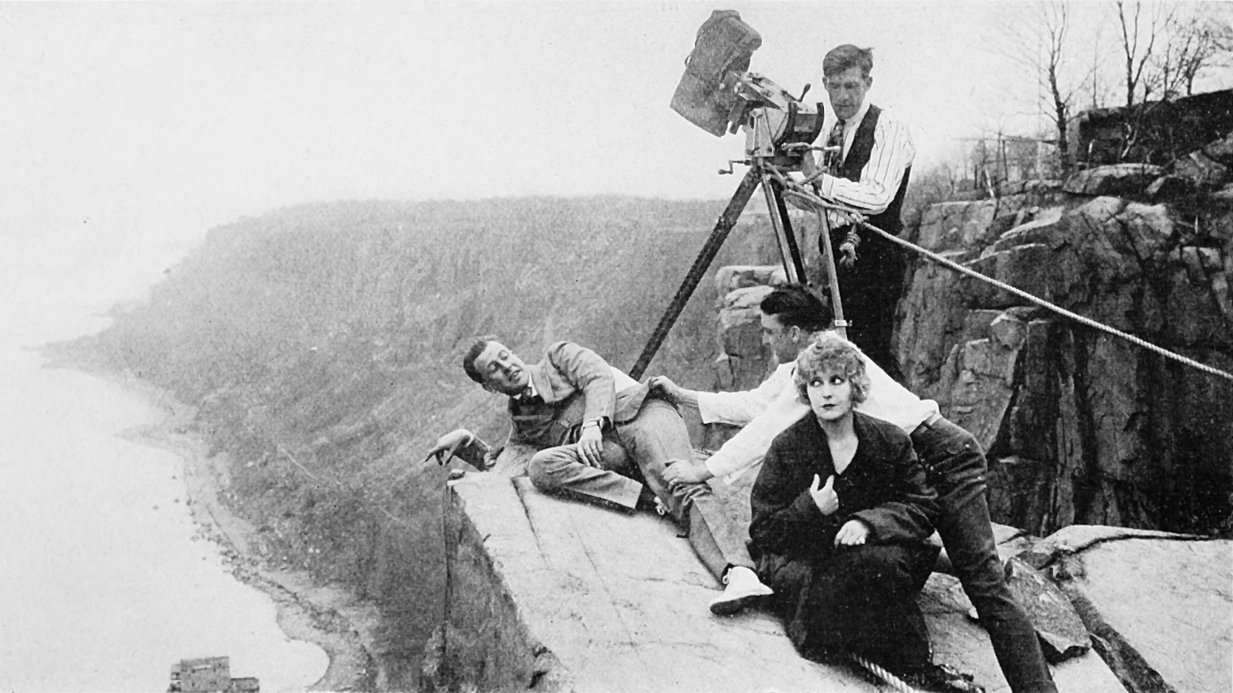
In 1914 Pathé released The Perils of Pauline, a 20-part serial starring Pearl White. Her character spent episode after episode in danger, sometimes dangling from the Palisades, and audiences had to come back the next week to find out whether she'd survived. Many people believe that's where the word "cliffhanger" comes from, though others credit a Thomas Hardy novel.
White did her own stunts. She dangled from balloons, escaped burning buildings and jumped between moving vehicles, and she paid for it with sprains and a broken collarbone.
The most famous photo of her on a cliff edge isn't from Pauline at all. It's a 1918 publicity shot for a later serial, The House of Hate, taken at a spot in Coytesville now called Cliffhanger Point. For decades the serial itself was thought lost, until a partial copy turned up in a Moscow film archive, complete with Russian subtitles.
Why it all went west
The East Coast had two problems: winter, and Thomas Edison.
Edison's film patents made shooting in New Jersey risky and expensive, while California offered sunshine all year and a lot more distance from his agents. The first Hollywood studio opened in 1911. Cold winters and the 1918 flu pandemic pushed more companies west, and by the 1930s nearly all American filmmaking had moved to California. Then, in July 1937, came a final blow: a fire at a Fox storage vault in Little Ferry destroyed most of the silent films Fox had made in Fort Lee.
What's left
Few buildings from the era survive, but the town hasn't forgotten. Since 2000 the Fort Lee Film Commission has put up plaques at film-era sites and kept the borough's film archives. In October 2022 the Barrymore Film Center opened on Palisade Avenue, near the George Washington Bridge. It's a 260-seat cinema and film museum, named for the family that once fought fires in Coytesville, and its first exhibition told their story.
Information checked October 2026.